Why Maritime Supply and Provisioning Is Years Behind on Digitization — and What Changes First
Marine provisioning firms still run core operations on spreadsheets and phone calls while adjacent industries digitized a decade ago. The reasons are structural, not a lack of willingness.
An Industry That Runs on Relationships and Paper
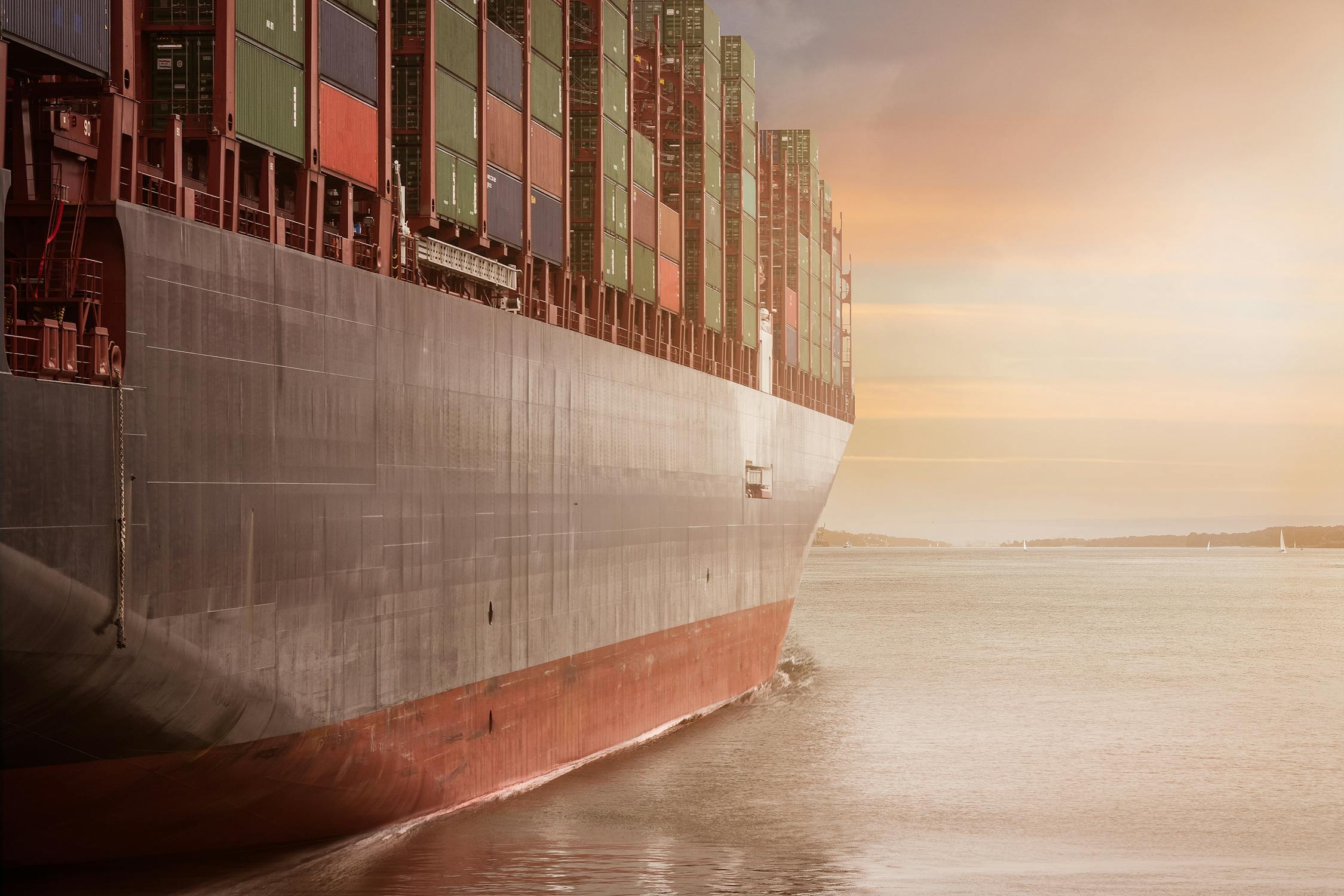
Marine supply and provisioning — sourcing, coordinating, and delivering everything a vessel needs while in port — remains one of the least digitized corners of global logistics. Orders still move through phone calls and spreadsheets. Inventory across multiple ports is tracked separately, often inconsistently. Invoicing and vendor coordination happen manually, port by port.
Why This Isn't a Simple Willingness Problem
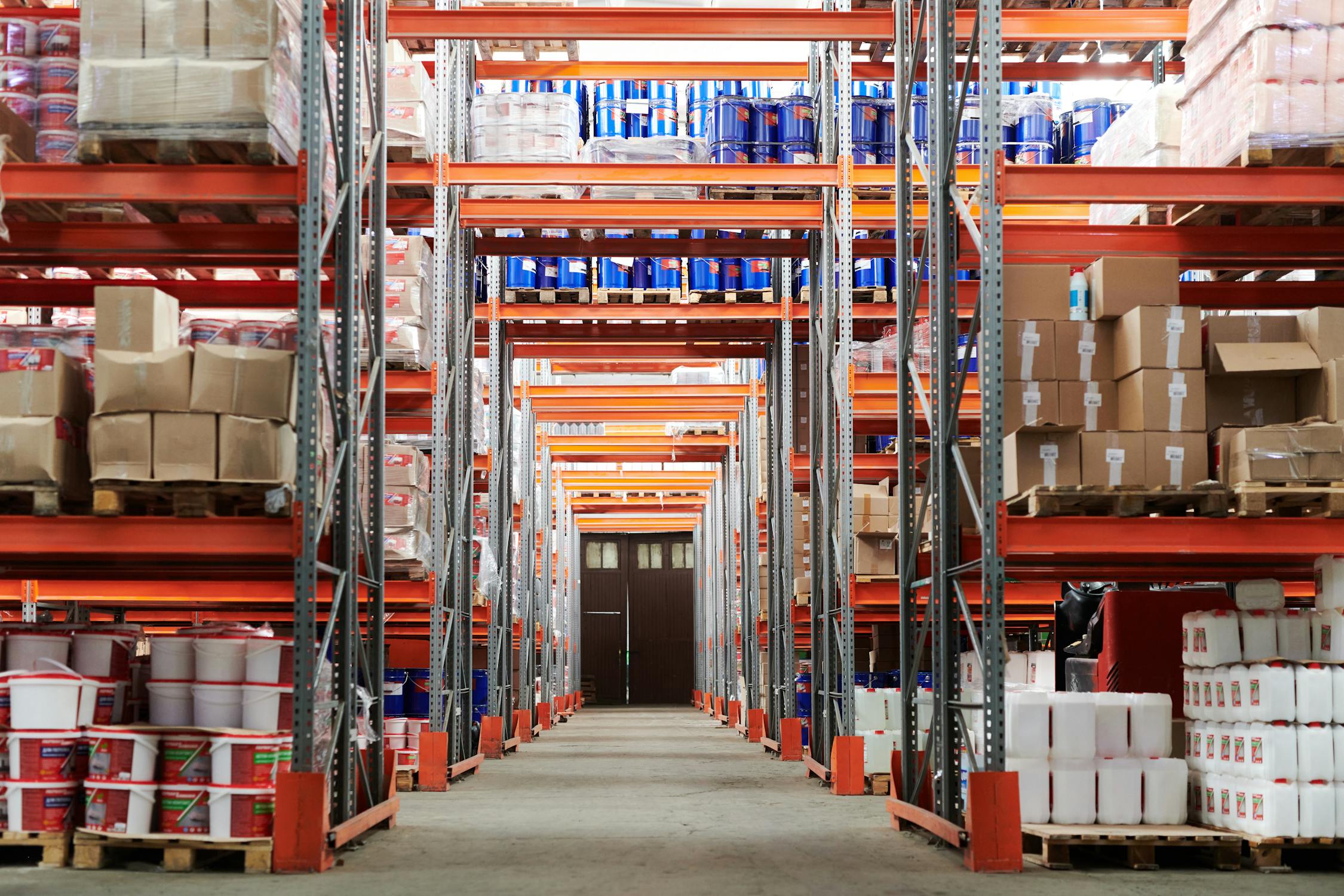
Fragmented, port-specific operations
A provisioning firm doesn't run one business — it effectively runs a separate micro-operation at every port it serves, each with its own vendors, customs requirements, and local relationships. Generic off-the-shelf software built for single-location retail or standard e-commerce inventory rarely maps cleanly onto that structure.
Time-critical, narrow windows
A vessel in port for eighteen hours doesn't offer flexibility. Orders, deliveries, and documentation have to be right the first time, in a compressed window — which makes operators understandably risk-averse about replacing a manual process that, however inefficient, is at least familiar and predictable.
Legacy relationships that predate digital tooling
Much of this industry runs on vendor relationships built over decades, often communicated by phone specifically because that's how trust was established long before software entered the picture. Digitization has to work with that reality, not attempt to replace it outright.
What Actually Moves the Needle
The firms that do modernize successfully rarely start with a sweeping platform replacement. They start narrow: unifying inventory visibility across ports first, then digitizing vendor and invoicing workflows, then layering in the client- and vendor-facing tools last — once the operational core is solid. Built as a custom system tailored to how the business actually operates port by port, this kind of platform typically delivers measurable results within the first year — often in the range of 60–70% reduction in manual processing time for the specific workflows it replaces — precisely because it's shaped around the industry's real structure instead of asking the industry to fit generic software.
The Broader Lesson
Industries that look "behind" on digitization usually aren't behind because of a lack of ambition — they're behind because the standard software available doesn't match how they actually operate. That's exactly the gap custom-built systems are meant to close: not forcing an operation to fit generic software, but building software that fits the operation as it genuinely runs, port by port, relationship by relationship.